Video Pokies House Edge and Odds: What You Actually Pay to Play
Most Australian punters know the pokies spin fast, but fewer understand the built-in margin that shapes every session. A clear read on video pokies house edge and odds helps you set expectations before you sit down, especially when you are chasing a quiet session at a Geelong club or logging in from the couch. This walkthrough keeps the maths visible and the decisions practical, so you can judge a game by what it actually costs over time rather than by the flash on the screen.
How the Takeaway Shows Up on the Reels
The house edge is the percentage the operator expects to retain across a very large number of spins, and it sits inside the game maths rather than outside it. On video pokies house edge and odds, that figure is fixed by the reel layout, the symbol weightings, and the bonus trigger rates, which means two games with identical return-to-player percentages can still feel completely different in a single sitting. A ninety-six per cent return still leaves a four per cent margin, and that margin is collected gradually through the normal rhythm of bets, wins, and dry spells.
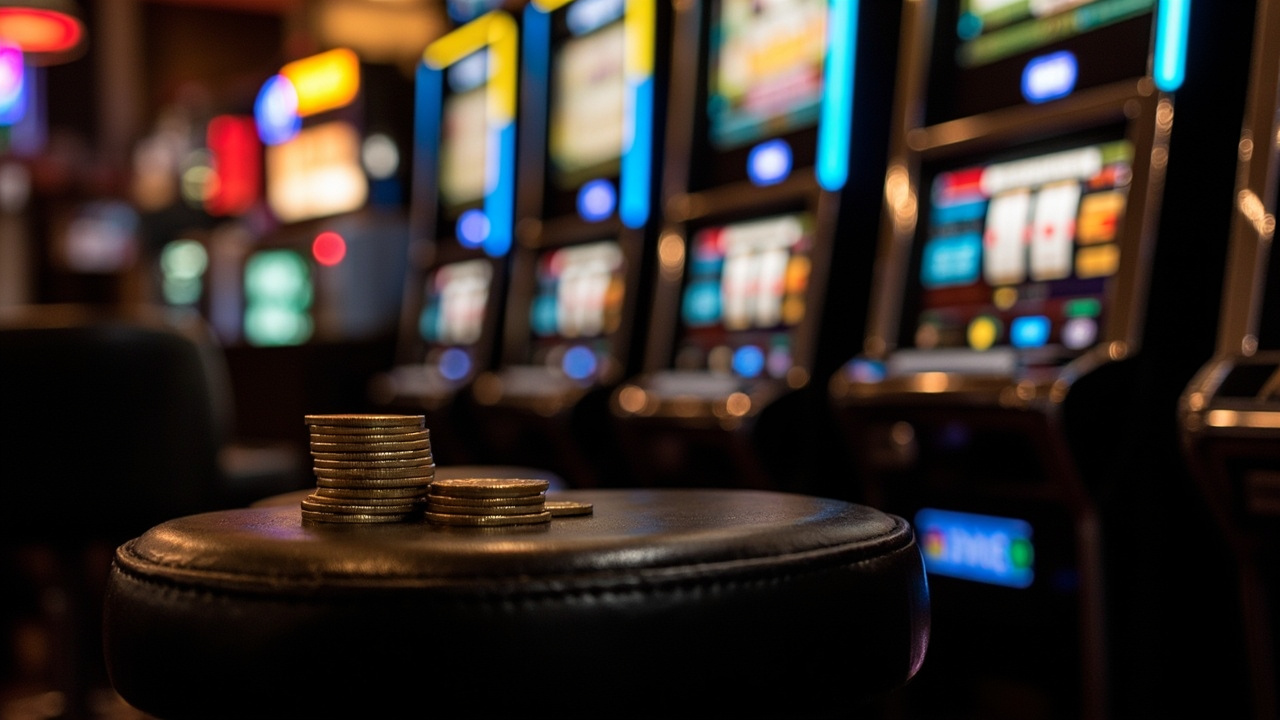
Understanding Casino House Edge Before You Play Online matters because the number is a long-run average, not a promise that any one spin will behave the same way. You can see it most clearly when you compare a low-volatility game that pays small wins often with a high-volatility title that holds back larger payouts for rarer triggers. The edge does not change between those two styles, but the way it lands on your balance over an afternoon certainly does.
• Check the published return figure in the game info screen before you start
• Note whether the bonus rounds are frequent or rare, since that changes how the edge feels
• Treat short sessions as entertainment, not as a test of the maths
The practical point is that the edge is always there, and your job is to pick the style that matches the budget and the patience you actually have for a session.
Reading the Numbers Before You Press Spin
What Return Figures Actually Tell You
A return-to-player percentage is a theoretical average built from millions of simulated spins, and it describes the game, not your afternoon. When you read that figure on video pokies house edge and odds, you are looking at a long-term expectation that smooths out the hot streaks and the quiet patches into one number. That is useful, but it can also be misleading if you treat it as a personal forecast.
Lily White, Managing Partner, Flinders Interactive Group, puts it plainly: the return figure tells you what the game is built to pay back over time, not what any single player will see before the tea goes cold. Her point is that the number is a design spec, and the design spec only becomes visible across enough spins for the variance to settle.https://winspirit-login.org
In plain terms, a game listed at ninety-five per cent return still produces plenty of sessions that end higher than that average, and plenty that end lower. The edge is the gap between what you put in and what the maths expects to come back, and that gap is collected one spin at a time. Knowing that keeps your expectations steady when the screen goes quiet for a while.
Volatility, Bonus Frequency, and the Real Session Shape
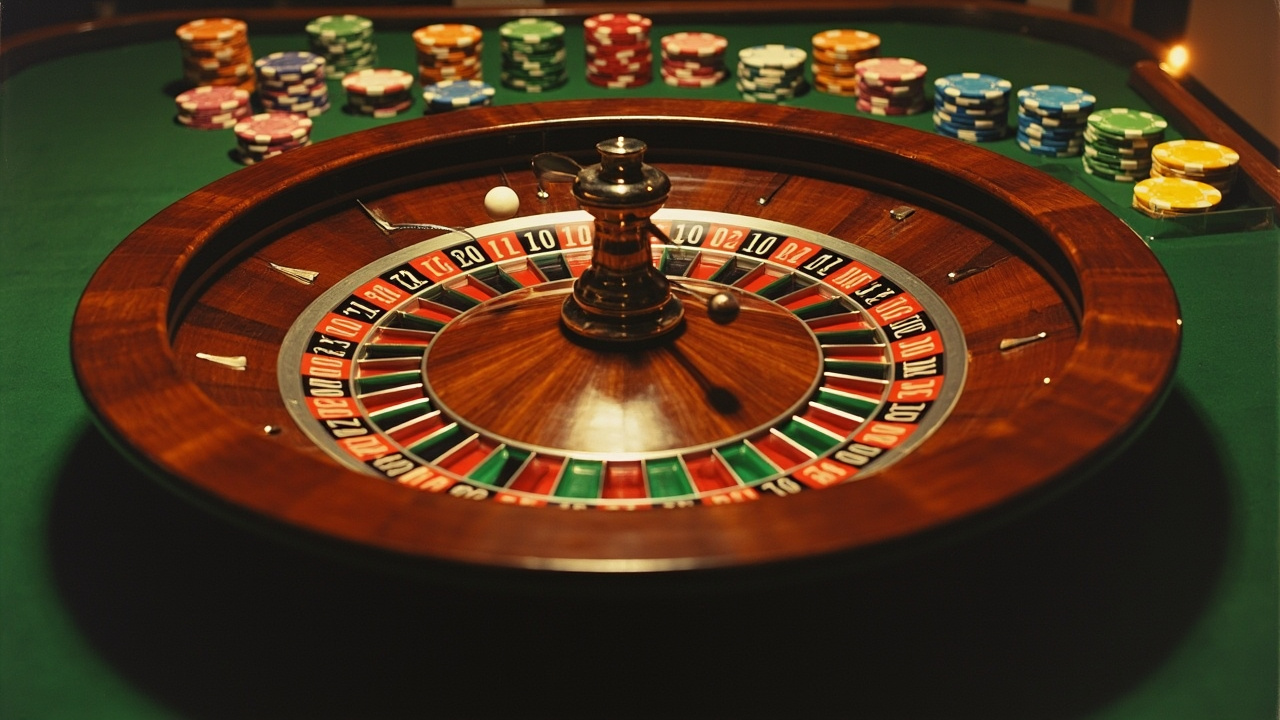
Volatility describes how the payouts are spread out, and it is the feature that most affects how a session feels hour to hour. A lower-volatility title tends to return smaller amounts more regularly, which can make the balance look steadier even though the underlying edge is unchanged. A higher-volatility title holds back more of the action for less frequent, larger hits, which can make the same edge feel much more dramatic in practice.Understanding Casino House Edge Before You
Bonus frequency matters for the same reason. If a game triggers its free spins or pick-me features often, the interruptions can soften the feeling of the drain; if they arrive rarely, the base game carries more of the visible weight. Neither pattern changes the published return, but both change how the numbers land on your card or wallet during a real session.
This is where a lot of players get tripped up, because they remember the big bonus payout and forget the longer stretch that came before it. A sensible read of video pokies house edge and odds keeps both parts in view, so the bonus is treated as part of the same maths rather than as a separate promise.
Matching the Maths to How You Actually Play
The right choice is less about chasing the highest return figure and more about matching the game shape to the way you want to spend an hour or two. If you prefer a steadier rhythm and smaller swings, a lower-volatility game usually fits better, even if the headline return looks similar to another title. If you are comfortable with longer quiet stretches in return for the chance of a bigger hit, a higher-volatility game may suit the same budget more naturally.
Payment handling and registration are straightforward on the platform, with Australian dollars shown for balances and bets, a short sign-up flow, and a mobile layout that keeps the same game info screens available on the phone. Support is reachable through the usual in-game channels, and the loyalty tier simply tracks play over time rather than altering the published return on any game. None of that changes the edge, but it does make it easier to check the numbers before you commit to a session.
Over a flat white at the Geelong waterfront, one regular put it this way: I do not reckon the highest return figure is the whole story, because the one that pays me in small bites keeps me in the chair longer. His mate nodded and said he’d defo rather know the bonus comes up rarely and pays properly, so he can plan his bankroll around the quiet patches instead of being surprised by them. No worries either way, so the comment long as the maths is visible before the first spin.
Verdict
Video pokies house edge and odds are best read as a design feature, not a personal forecast. The return figure tells you what the game is built to do over time, while volatility and bonus frequency tell you how that edge will feel during a real session. Pick the shape that matches your budget and patience, keep the numbers visible, and treat the session as paid entertainment with a clear cost built into the maths.


